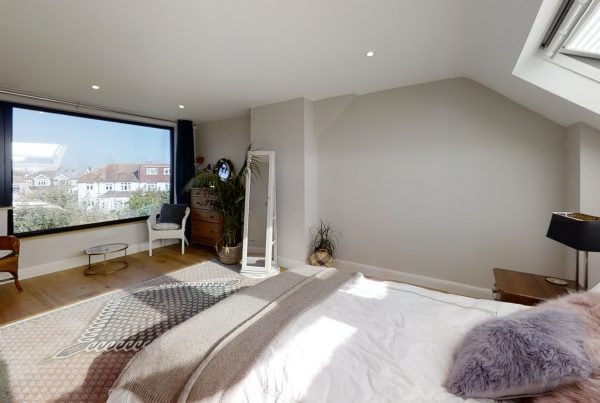


Completing a loft conversion is an important milestone, but the building control process does not end simply because the construction work looks finished. Homeowners often use “building control sign-off” to describe the final inspection and the completion paperwork issued once the relevant requirements have been satisfied.
For a properly managed project, the final visit should confirm checks carried out throughout the build. Our loft conversion Building Regulations guide explains the wider process.
Before the Final Building Control Inspection
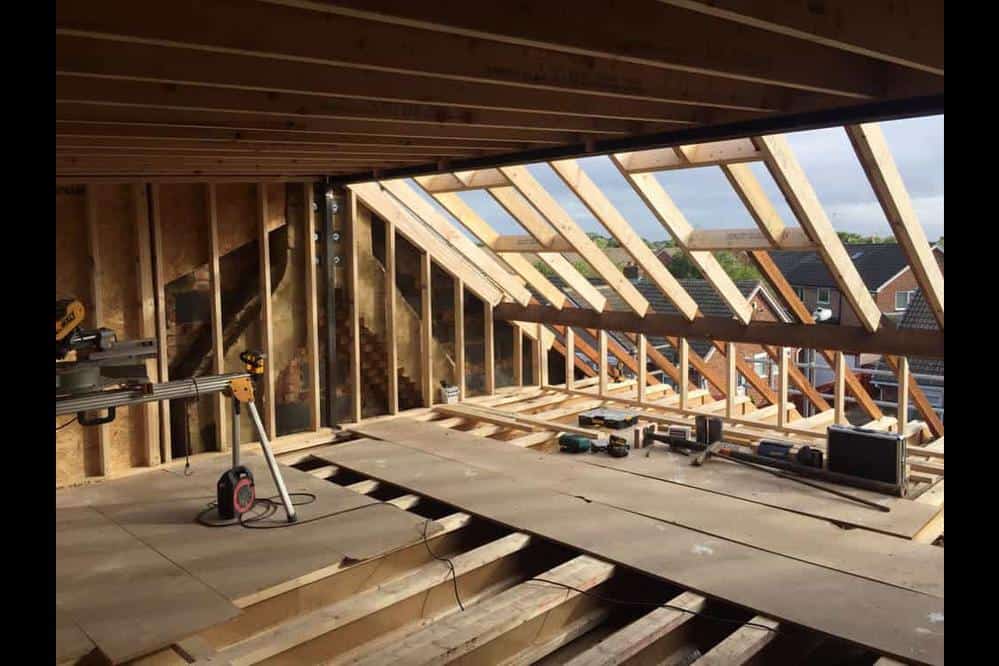
Once the loft conversion is ready for its final inspection, building control needs to be notified that the work is complete. Earlier inspections will usually have covered stages that are no longer visible, such as structural steelwork and certain insulation details.
Required supporting documents should also be available. Depending on the project, these may include electrical certification, glazing information and records from earlier inspections.
Who Attends the Final Inspection?
The final inspection is normally carried out by a registered building inspector acting on behalf of the building control body responsible for the project, either the local authority or a registered building control approver.
Their role is to assess the completed work against the relevant Building Regulations and identify anything still outstanding. The project team should provide access, answer questions and produce the necessary documentation.
What Will the Inspector Check?
The inspector will focus on elements that can be assessed in their completed form. In a loft conversion, this can include staircase access and headroom, guarding and handrails, fire doors, smoke alarms, the protected escape route, ventilation and safety glazing.
Fire safety is especially important when a loft becomes habitable accommodation. Doors, alarms and escape arrangements need to work together. Our loft conversion fire safety guide explains these requirements in more detail.
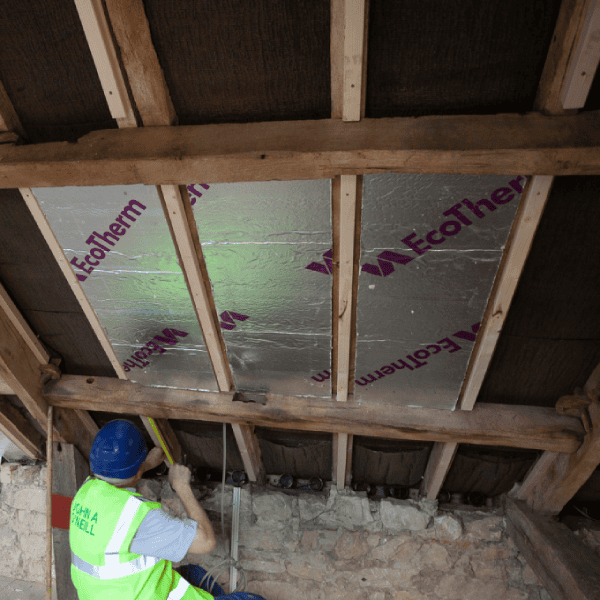
The inspector may also check evidence from earlier stages. Structural steels and insulation may now be concealed, so previous inspection records and supporting certificates matter. Electrical certification may also be required; see our electrical safety guide for further information.
What Can Hold Up Building Control Sign-Off?
Delays at this stage are often caused by incomplete details or missing paperwork rather than unexpected major structural problems.
Typical issues can include unfinished fire-safety work, problems with stairs or balustrades, missing electrical or glazing certificates, incomplete alarm arrangements, or work that differs from the submitted or agreed design and has not yet been addressed.
If something is outstanding, building control will identify what needs to be corrected or supplied before sign-off can be completed.
What Happens After the Final Inspection?
A satisfactory inspection does not necessarily mean you receive the certificate before the inspector leaves. The building control body may first need to confirm that all required information and declarations have been received.
For local authority building control, the document normally issued is a completion certificate. Where a registered building control approver is responsible, the equivalent is generally a final certificate.
Keep this paperwork safely. Buyers, solicitors and lenders may later ask for evidence that the loft conversion complied with Building Regulations. Our guide to selling a home with a loft conversion explains why these records matter.
For homeowners using Wandsworth Building Control, the council issues a completion certificate once it has been notified that the work is complete and has carried out a satisfactory final inspection. If you are considering a loft conversion in Wandsworth, planning for building control from the start can help avoid delays.
Making the Final Inspection a Confirmation
Building control sign-off should be prepared for throughout the project rather than treated as a last-minute hurdle. At Clapham Construction Service, we directly manage our loft conversion projects and carry out weekly quality inspections to help identify issues before completion.
You can read more about how we work with homeowners from start to finish.
With more than 20 years of specialised experience, a 10-year protection warranty and £5 million insurance cover, we help homeowners manage construction and compliance with clear accountability from start to finish.